A condominium's landscape maintenance covers the common property. That is every shared part of the estate, from the entrance and the lawns to the pool deck and the car park edges. Some contractors station a gardener at the estate full time. Others send a mobile team on set days. Tree work and replanting are quoted on their own.
- Maintenance covers the common property. Every shared part of the estate.
- Two ways to staff the work. A stationed gardener, or a mobile team. See which suits you.
- The entrance matters most. Every resident and every viewing passes it.
- Tree work is separate. It needs different people and different certificates.
- Get a written record of every visit. It is how the council answers a resident who says nothing was done. See what the MCST should get.
This post is for the council member or managing agent who has to defend the maintenance spending at a meeting. An MCST is the management council that runs a condominium.
It covers what the work should include, how to tell whether what you have now is working, and what to ask before changing.
What does a condominium's landscape maintenance cover?
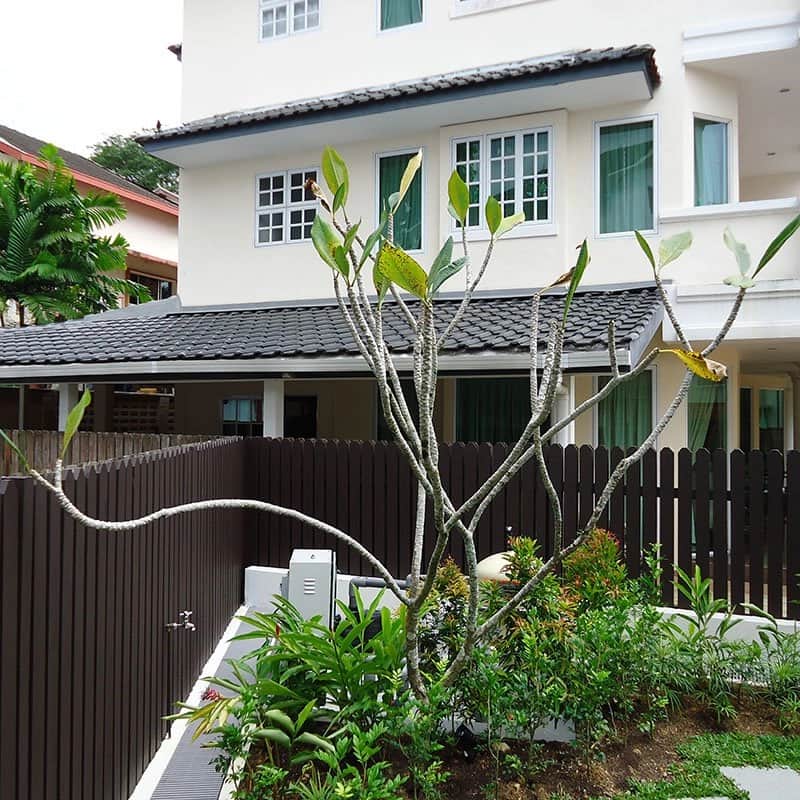
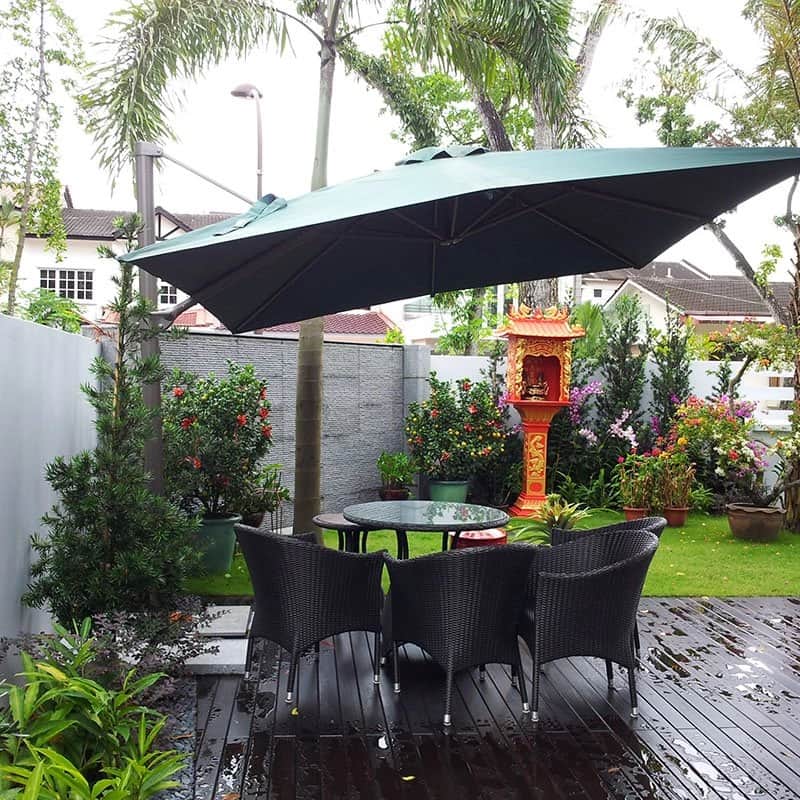
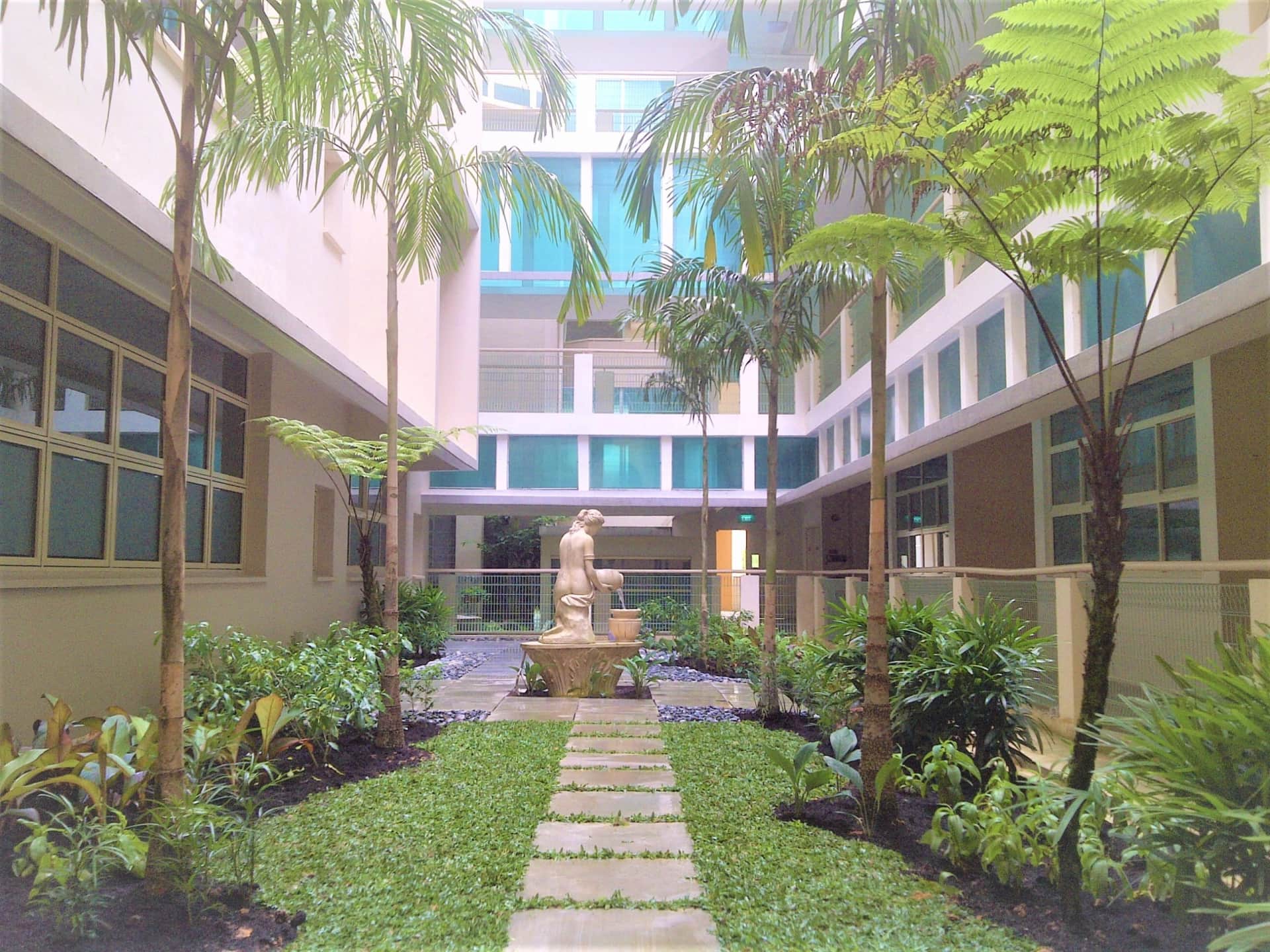
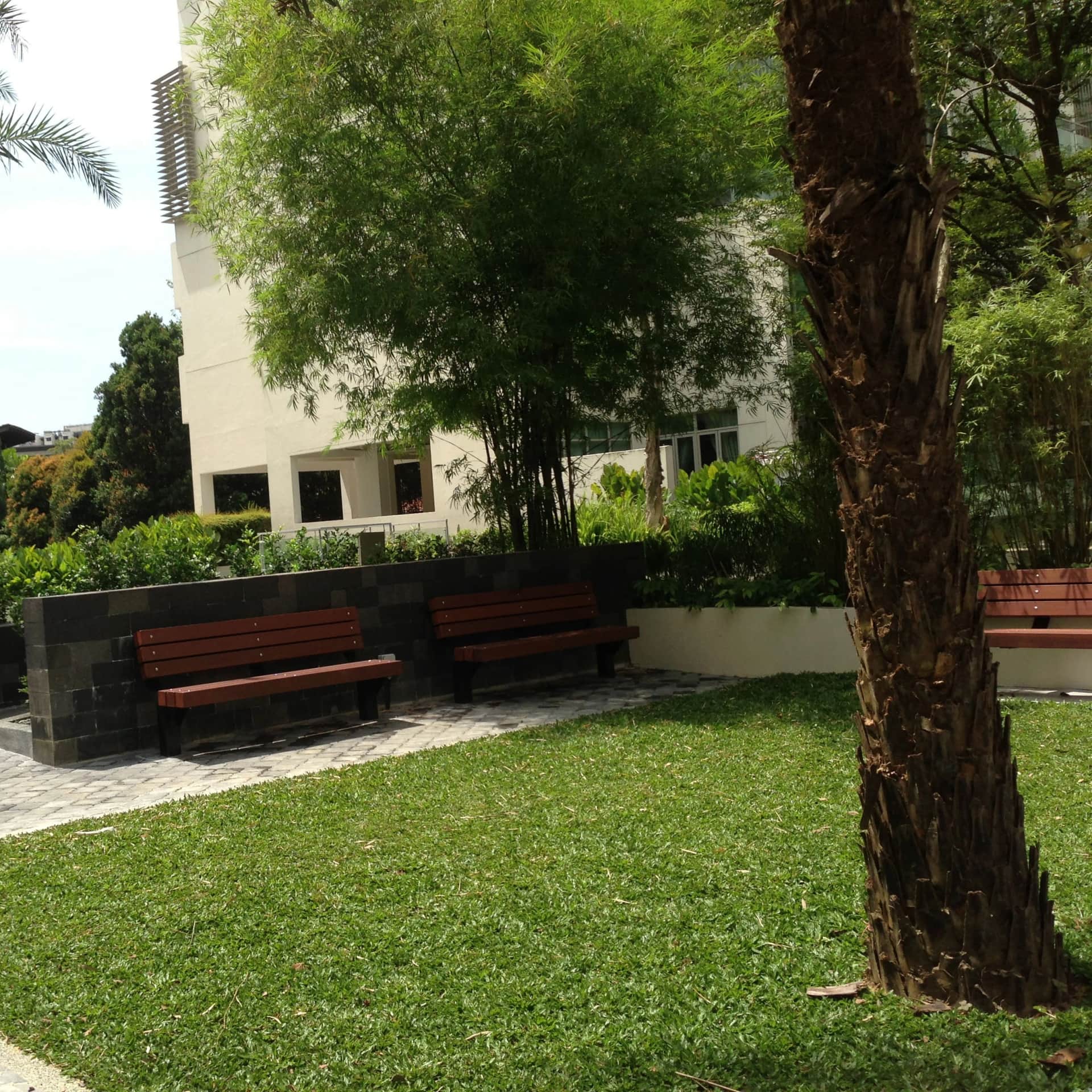
The common property. That is every part of the estate that is not inside someone's unit, and it is usually more ground than people expect.
Most cover these.
- The entrance and driveway. The most visible part of the site.
- Turf and open lawn areas.
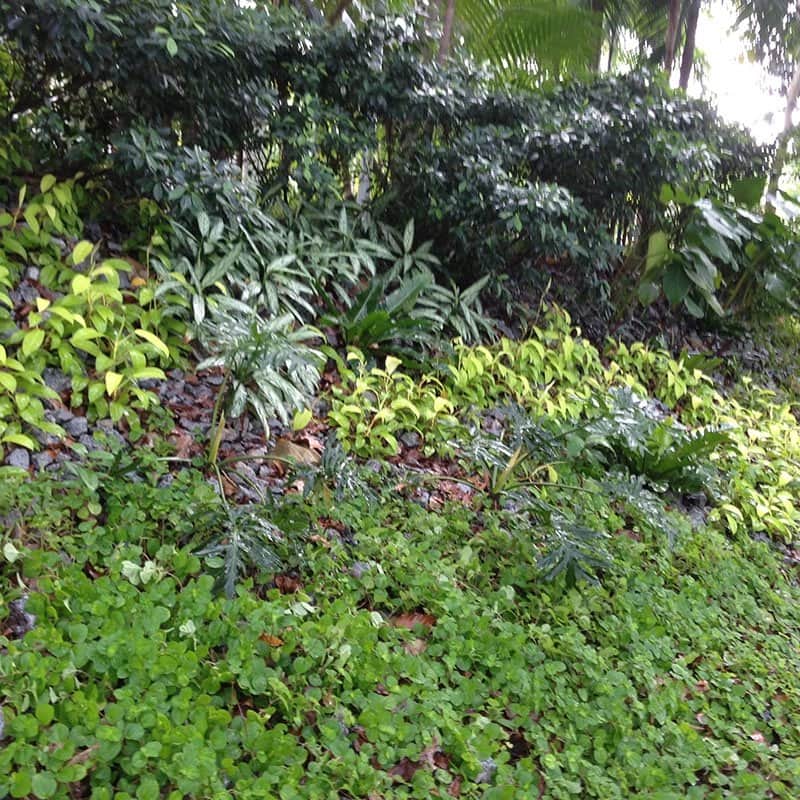
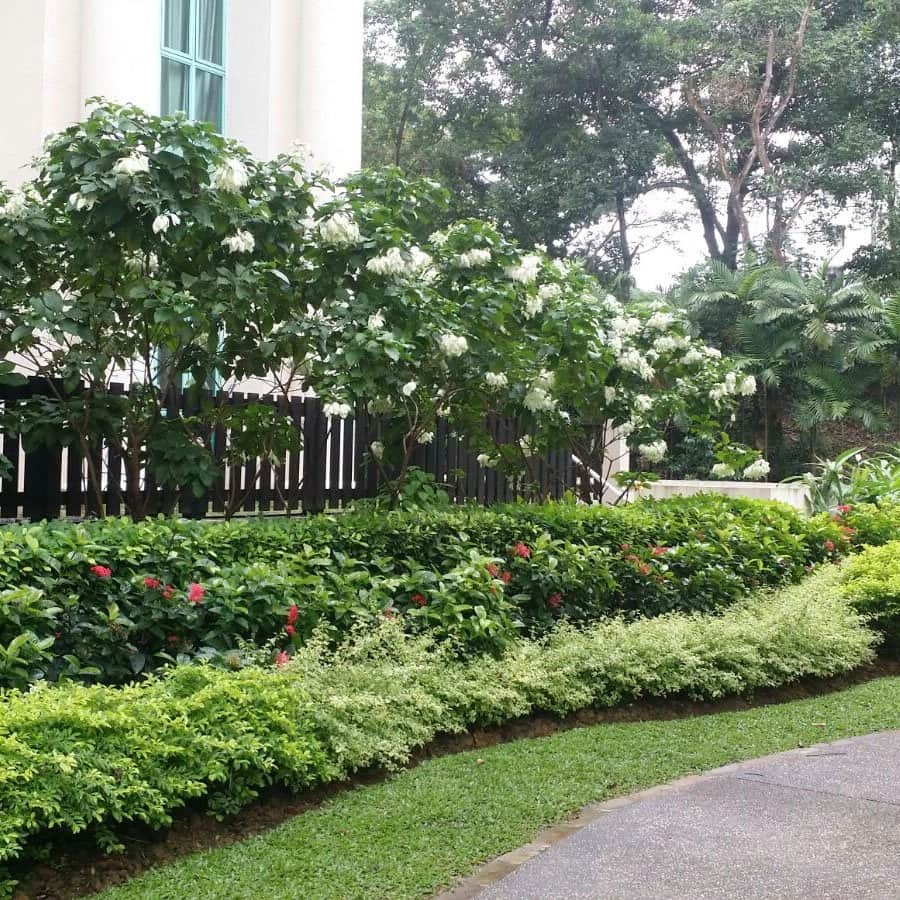
- Beds, hedges and ground cover through the estate.
- The pool deck and recreation areas, where planting takes chlorine, splash-out and heavy foot traffic.
- Podium decks and sky terraces, where the soil is shallow and the drainage is built into the structure.
- Car park edges and boundaries, usually the first areas to be let go.
- Watering system checks and garden waste removal.
Ask specifically about the sky terrace and the podium. Planting over a structure dries out faster and fails differently from planting in the ground, and work priced as if the whole site is the same tends to under-serve it.
Stationed gardener or mobile team?
Two ways to staff the work. The trade is between having someone there every day and having more hands when they come.
A stationed gardener is based at your estate. They come every working day and do the daily upkeep. Watering, sweeping, weeding, light pruning and keeping an eye on the planting.
A mobile team is based at the contractor and comes on set days. They arrive together with the mowers and the heavier machines, work through the site and leave.
What each one is good at.
- A stationed gardener keeps the place tidy every day and can deal with a complaint the same morning. They learn the estate, so they notice what has changed. One person cannot do heavy work alone, and it costs more.
- A mobile team brings several people and proper machinery at once, so a big site gets covered quickly. Nobody is there between visits.
Larger developments often use both. A gardener on site for the daily upkeep, with a team coming in for the heavier work a few times a year.
Two questions decide it. What complaints do you actually get, and who covers the gap? Daily untidiness points to a stationed gardener. Areas going backwards over months points to a team. If you take a stationed gardener, ask what happens when they are on leave or sick, because a good contractor sends a replacement rather than skipping the days.
How often should someone be on site?
Weekly at minimum for most developments, with the quarterly plant care on top of the visit schedule.
Condominium grounds carry more grass and more foot traffic than the garden at one house, and they are looked at by hundreds of people a day. The tolerance for long grass is much lower.
What drives the answer.
- How much lawn there is. Grass decides how often someone comes.
- How much of the site residents actually use.
- Whether there is a pool deck, which needs attention more often than the boundary does.
- The age of the planting. A mature site with closed canopy has different problems from one at handover.
The general answer for any garden here is every two weeks, and weekly where there is lawn. A condominium normally sits at the weekly end of that.
What do residents complain about most?
Not the things councils usually spend on. The complaints that reach an AGM are almost always about the same handful of areas.
- The entrance looking tired. Every resident and every viewing passes it.
- Bare patches in the lawn, especially where people cut the corner.
- Mosquitoes, which come back to standing water in saucers, gullies and blocked drainage rather than to planting.
- Overgrown areas near the car park and boundary, which read as neglect even when the main lawn is fine.
- Noise and timing. Mowers early on a Sunday.
- Dying planting by the pool, where conditions are hardest.
Three of those are a scheduling problem rather than a planting one. Fixing which areas get attention, and when, closes most of them without spending more.
Bare grass under trees is the exception. That is usually shade rather than neglect, and replacing the same grass again does not fix it.
What should the MCST get after each visit?
Something written, every time, plus a summary monthly. Without it the council has no way to answer a resident who says nothing was done.
Worth asking for.
- A job sheet per visit. What was done, in which areas, by how many people.
- A monthly report pulling the visits together.
- Photographs of the areas worked on.
- Flagged issues. Anything the contractor noticed that will need money later, like a failing bed or a tree that needs looking at.
- A schedule for the quarterly work, so it is visible rather than assumed.
The flagged issues matter most over time. It turns replanting and tree work into a planned line in the budget instead of an unexpected number arriving after the grounds already look poor.
When is it worth changing contractor?
When the same areas keep going backwards after they have been raised in writing, and nobody can tell you why.
Reasonable grounds to move.
- Areas declining over months, not one bad week.
- No reporting, or reporting that never changes.
- Work happening at different times each visit with different people.
- Quarterly work that never seems to occur.
- Issues raised at meetings that come back unchanged.
Before changing, check what the work was meant to cover in the first place. A contractor doing exactly what was agreed is not failing, and going to tender will simply buy the same work from someone else.
If the work was right and it is not happening, ask the next contractors to quote on the same list, so the council is comparing like with like. The guide to landscape maintenance covers how to compare two quotations that look nothing alike.
What we do on condominium contracts
Crystalene maintains grounds across Singapore for condominiums, commercial buildings, developers and private schools. We walk the site before quoting and set out the work area by area, so a council can see what is covered and compare it against another quotation properly.
Job sheets go in every visit and a monthly report follows, which is the part MCST contracts usually ask for. We are bizSAFE Level 3 certified and an NParks approved contractor, with ISA-certified arborists on staff for the tree work a grounds contract does not cover.